The excitement around the metaverse may have faded, but Europe’s investment in immersive technologies is only just beginning.
In June 2026, the European Virtual Worlds Partnership held its first official meeting, bringing together the European Commission, industry, universities and research organisations to discuss the future of Virtual Worlds and Web 4.0. Since its launch only a few months earlier, membership has already grown from 18 founding organisations to more than 80.
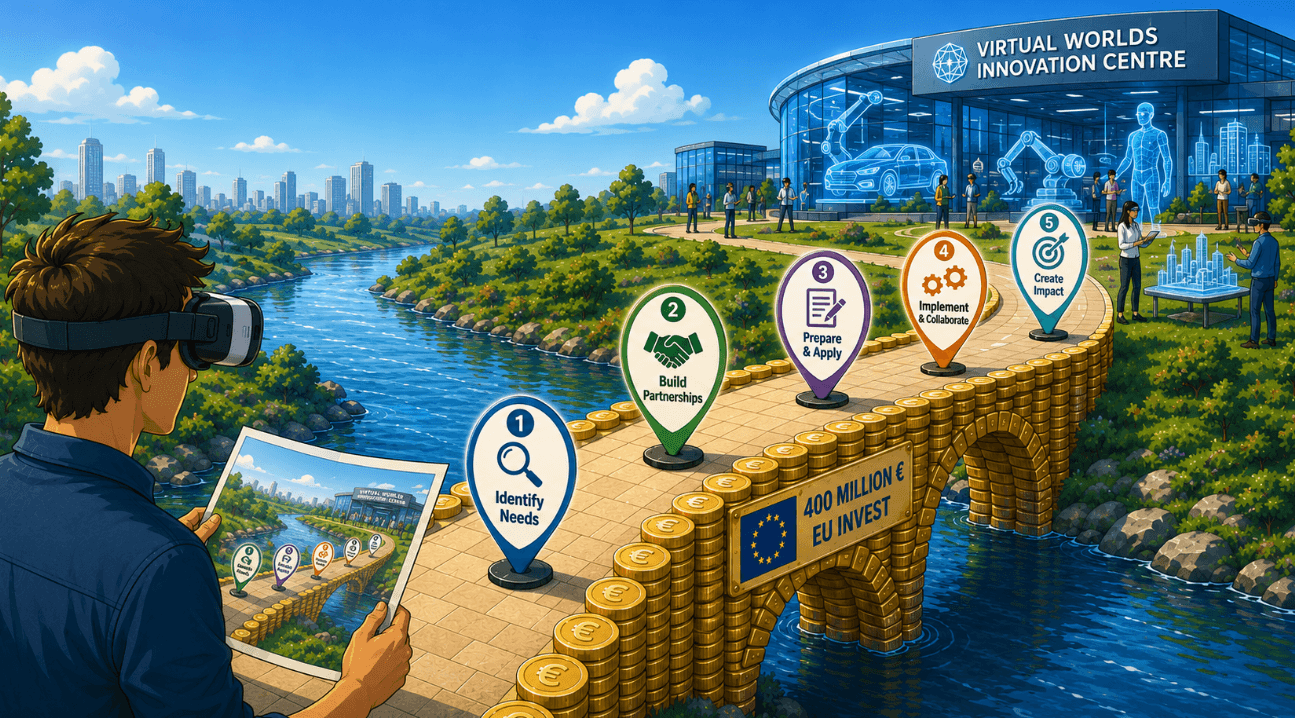
At the same time, the European Commission confirmed up to €200 million in Horizon Europe funding between 2025 and 2027. Members of the Partnership have committed to invest at least another €200 million, bringing the combined investment to around €400 million by 2030.
These numbers attracted considerable media attention. However, many articles stop at the headline.
What exactly is being funded? Who can participate? And what opportunities does this create for universities, industrial companies and technology providers?
Let’s dive in and get practical answers.
Why Is the EU Investing in Virtual Worlds?
The European Commission increasingly sees Virtual Worlds as an enabling technology for Europe’s digital economy. Rather than replacing existing engineering tools, immersive technologies can help people understand, analyse and collaborate around complex information more effectively.
Examples include:
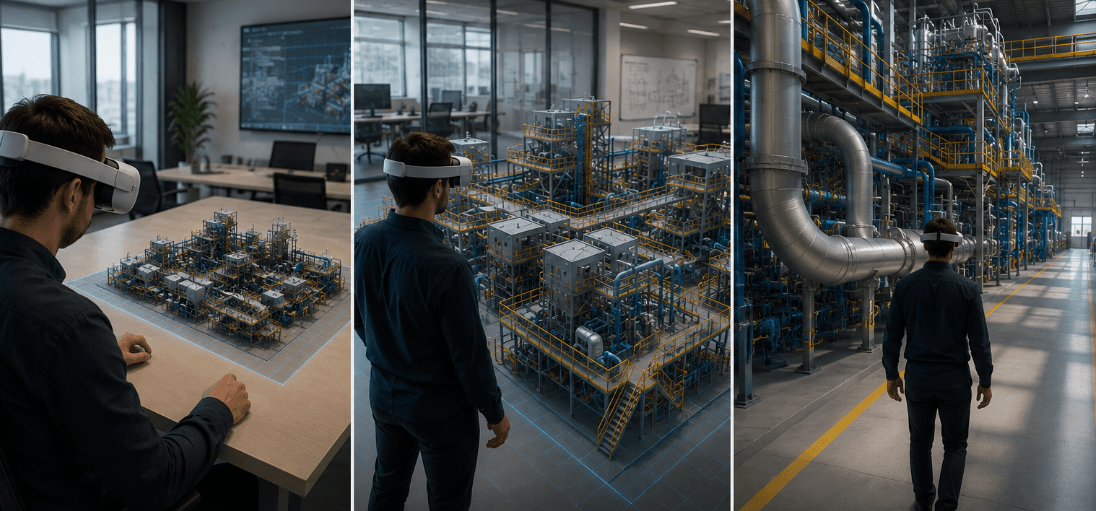
- reviewing CAD models at full scale before production
- validating factory layouts and maintenance access
- collaborative engineering between remote teams
- immersive education and technical training
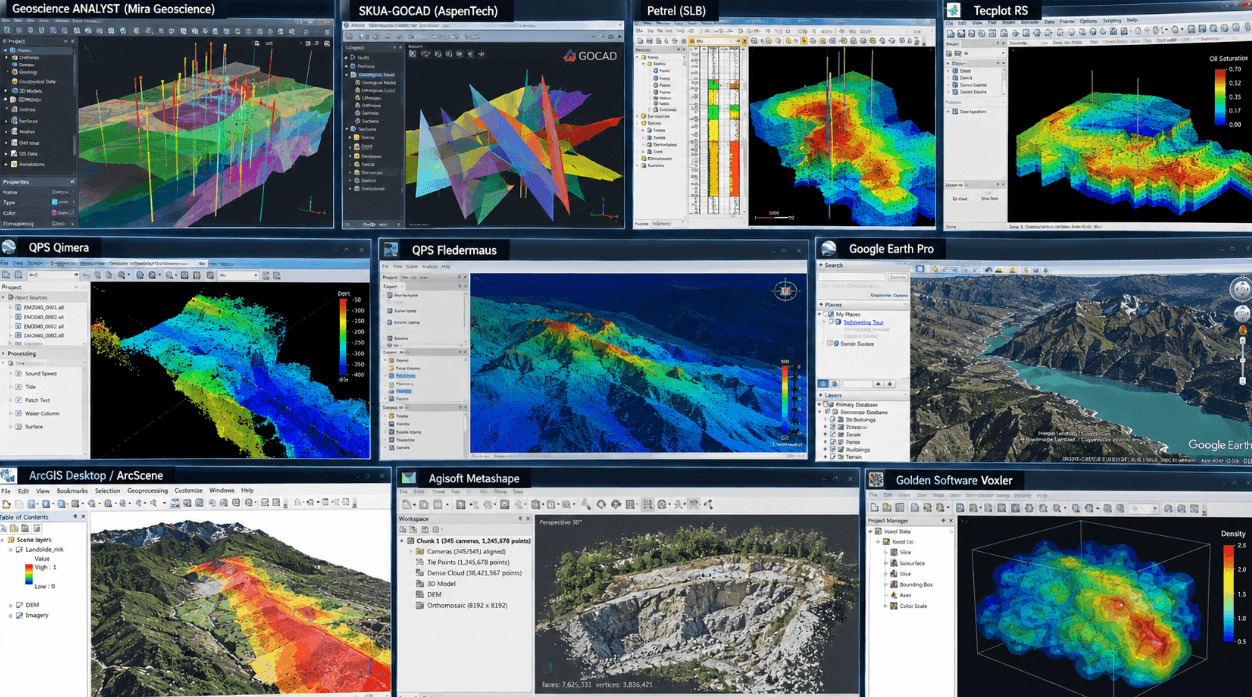
- scientific visualisation
- Digital Twins and industrial simulation
The initiative is also part of a broader strategy to strengthen Europe’s technological competitiveness.
What Is the European Virtual Worlds Partnership?
The European Virtual Worlds Partnership is a public-private partnership established by the European Commission together with the Virtual Worlds Association.
Its purpose is not to develop a single platform or product.
Instead, it aims to strengthen Europe’s entire Virtual Worlds ecosystem by bringing together companies, universities, research institutes and public organisations.
Current focus areas include:
- Extended Reality (XR)
- Virtual Reality (VR)
- Digital Twins
- Artificial Intelligence
- Human-computer interaction
- Cloud and edge computing
- Open standards and interoperability
- Skills development
- Industrial adoption
The Partnership supports the implementation of the European Commission’s Web 4.0 and Virtual Worlds Strategy, published in 2023.
One noticeable difference compared to earlier discussions around the metaverse is the emphasis on practical industrial applications rather than consumer experiences.
The emphasis is on practical industrial applications rather than consumer experiences.
Understanding the €400 Million
One common misunderstanding is that the EU has created a single €400 million funding programme for Virtual Reality.
That is not how the initiative works. The €400 million combines two separate commitments:
- Horizon Europe Program: Up to €200 million (2025–2027) investment
- Members of the Virtual Worlds Partnership: At least €200 million (2025–2030) investment
The Horizon Europe funding is distributed across multiple competitive calls covering different aspects of Virtual Worlds and Web 4.0.
The additional industry investment comes from organisations participating in the Partnership through their own research, development and innovation activities.
In practice, organisations do not apply for “the €400 million”. They apply for individual Horizon Europe calls that match their expertise and project ideas.
Understanding this distinction helps avoid unrealistic expectations. The programme is designed to stimulate collaboration and innovation, not to provide grants for purchasing VR hardware.
The programme is designed to stimulate collaboration and innovation, not to provide grants for purchasing VR hardware.
How Horizon Europe Funding Works
Unlike many national funding programmes, Horizon Europe generally supports collaborative international projects.
A typical consortium brings together organisations with complementary expertise, for example:
- universities conducting research
- technology providers developing software or hardware
- industrial companies validating real-world applications
- SMEs contributing specialist knowledge
- public organisations supporting implementation
Each partner contributes to defined work packages and receives funding for its own activities.
For organisations without previous Horizon experience, joining an existing consortium is often more realistic than coordinating an entire project.
For organisations without Horizon or EU project experience, joining an existing consortium is often more realistic than coordinating an entire project.
Potential partners can be found through brokerage events, National Contact Points (NCPs), industry associations and networking activities organised by the Virtual Worlds Association.
From Strategy to Implementation
The Partnership is no longer just a policy announcement.
The first Horizon Europe projects are already underway.
One example is NOVA (Next-generation Open Virtual Worlds & Web 4.0 Alliance).
Rather than developing another proprietary virtual platform, NOVA focuses on strengthening Europe’s innovation ecosystem through open technologies, collaboration and knowledge sharing.
This illustrates an important characteristic of many Horizon Europe projects.
Their objective is rarely to build a single commercial product. Instead, they develop enabling technologies, standards, shared knowledge and industrial collaborations that can benefit multiple sectors.
The objective is developing enabling technologies, standards, shared knowledge and industrial collaborations that can benefit multiple sectors.
Over the coming years, additional projects are expected in areas including industrial XR, Digital Twins, collaborative engineering, simulation and immersive education.
Who Can Benefit?
The initiative is often associated with universities and research organisations, but the potential beneficiaries are much broader.
Universities
Engineering faculties, architecture schools and scientific research centres can participate through collaborative research, immersive teaching environments and digital laboratories.
Beyond funding, these projects offer opportunities to build international partnerships and access specialised expertise that would be difficult to develop independently.
Industrial Companies
Manufacturing companies often participate as industrial validation partners.
Instead of conducting fundamental research themselves, they contribute practical use cases, evaluate new technologies under real operating conditions and help ensure that research addresses genuine industrial challenges.
SMEs and Technology Providers
Small and medium-sized enterprises can contribute specialist expertise in software, hardware, visualisation, simulation or system integration.
For many SMEs, participation is also an opportunity to establish international partnerships and increase visibility within Europe’s growing XR ecosystem.
How to Become Part of an EU Project
Organisations interested in participating should not wait until a suitable funding call is published.
Successful Horizon Europe projects often begin earlier through networking and consortium building. Universities, companies and research organisations typically establish partnerships first and then develop project ideas together.
Several entry points are available:
- Virtual Worlds Association – Join the Association to participate in working groups, networking events and strategic discussions around Europe’s Virtual Worlds ecosystem.
- EU Funding & Tenders Portal – Monitor upcoming Horizon Europe calls and identify topics relevant to your expertise.
- National Contact Points (NCPs) – Every participating country has Horizon Europe advisors who help organisations identify suitable calls and connect with potential partners.
- Brokerage Events – These events allow organisations to present ideas, meet potential consortium partners and discuss future proposals before calls close.
Building relationships early often provides a significant advantage. By the time a funding call is published, many successful consortia have already identified their partners and started preparing proposals.
Things to Consider Before Joining an EU Project
Participating in Horizon Europe can open valuable opportunities. Besides financial support, organisations gain access to international expertise, research networks and potential future customers or partners.
However, these projects also require a significant commitment.
Administrative Work
Horizon Europe projects require detailed project management and documentation.
Partners are expected to regularly report on:
- technical progress
- achieved milestones and deliverables
- financial expenditure
- dissemination activities
- project meetings and reviews
The administrative workload should not be underestimated, particularly for organisations participating for the first time. Many projects therefore involve dedicated project managers in addition to technical experts.
Long-Term Commitment
Most projects run for three to five years.
Partners are expected to contribute throughout the entire project. Organisations should therefore ensure they have sufficient personnel and management support before committing to a proposal.
International Collaboration
One of Horizon Europe’s greatest strengths is also one of its challenges.
Projects bring together organisations from different countries, industries and scientific disciplines.
This creates valuable opportunities for knowledge exchange but also requires effective communication, coordination and flexibility throughout the project despite language and cultural differences.
Intellectual Property
Many organisations understandably ask what happens to intellectual property.
Ownership and exploitation of project results are governed by consortium agreements and Horizon Europe rules.
While these frameworks are well established, organisations should carefully review them before joining a project, particularly if commercialisation is part of their long-term strategy.
Funding Is Only Part of the Investment
Although Horizon Europe provides substantial financial support, organisations should not assume every project cost is covered.
Internal staff time, management effort and certain indirect costs remain important considerations.
The most successful participants generally view Horizon Europe as a strategic investment rather than simply a funding opportunity.
The Challenge That Often Starts After the Project Ends
Funding usually receives the most attention. Long-term operation often receives the least.
From our experience, many technically impressive VR installations struggle not because the technology failed, but because everyday use becomes too complicated.
Typical challenges include:
- software updates breaking existing workflows
- hardware reaching end of life
- insufficient maintenance budgets
- the internal VR expert leaving the organisation
- lack of ownership after the initial project
- complicated preparation workflows that discourage regular use
These issues rarely appear during demonstrations or pilot projects. They become visible two or three years later, when the system is expected to become part of daily work.
For this reason, organisations should consider long-term operation already during the planning phase. Questions worth asking include:
- Who will maintain the system?
- How will software updates be managed?
- Is the workflow simple enough for new users?
- Can additional hardware or software be integrated later?
- Is there a budget for support beyond the project duration?
Planning these aspects early helps protect the investment long after the original funding has ended.
More lessons learned on how to start a successful VR project can be found in this article: VR Step-by-Step Guide: How to Get Started With VR in 2026.
Reducing Barriers to Adoption
Another lesson from many successful VR projects is that usability often matters more than technical specifications.
A system that requires multiple export steps, manual data conversion or specialist knowledge before every VR session is less likely to become part of everyday workflows. The easier the process, the more likely people are to use it.
This is one area where workflow integration becomes particularly important and the software moreViz can add real value.
moreViz acts as a real-time bridge between OpenGL-based applications (e.g. Siemens NX, Solidworks, PTC CREO, SolidEdge, JT2GO, Plantsimulation and more) and immersive visualisation systems (such as VR CAVEs and DOMEs, VR Headsets, VR Powerwalls, 3D Monitors and more).
Instead of exporting CAD data or converting models before every review, users can move directly from their existing engineering application into VR. This reduces preparation time and makes immersive visualisation easier to integrate into established workflows.
Looking Ahead
The European Virtual Worlds Partnership represents more than a new funding initiative.
It reflects a broader recognition that immersive technologies are becoming valuable tools for engineering, research, education and industrial collaboration.
At the same time, organisations should view Horizon Europe realistically.
The programme is competitive and requires long-term commitment. It is not designed to finance standalone hardware purchases or isolated pilot projects.
Instead, it rewards collaboration, practical innovation and knowledge sharing across Europe.
For universities, companies and technology providers willing to engage with this ecosystem, the opportunities extend well beyond financial support. International partnerships, new expertise and long-term innovation networks may ultimately prove just as valuable as the funding itself.
Successful VR projects are not measured by how impressive they look on the day they are demonstrated. They are measured by whether people are still using them years later.
Technology evolves quickly. Sustainable workflows, committed users and practical everyday value are what ensure that an investment continues to deliver results long after a project has officially ended.
About more3D
more3D has been developing professional Virtual Reality and 3D visualisation solutions for more than 25 years. The German company helps businesses, universities and research institutions integrate immersive technologies into engineering, design and scientific workflows through practical, easy-to-use VR solutions and customised immersive systems.